Residential Tree Services in Mobile
Residential Tree Services in Mobile, AL
Do you serve Mobile, AL and nearby areas?
We provide residential tree services throughout Mobile, AL and the surrounding communities. Our crews work in neighborhoods across the area, including Spring Hill, Midtown Mobile, Semmes, Theodore, Saraland, Tillmans Corner, and Eight Mile, among others. Whether your property sits off Cottage Hill Road, Old Shell Road, or out near Schillinger Road, we can get to you. We are available for scheduled appointments as well as urgent situations that need faster attention.
Common tree problems homeowners face
If you have trees on your property, there is a good chance you have dealt with at least one of these situations. A large limb hangs too close to your roof. A tree looks unhealthy but you are not sure if it needs to come down. Roots are creeping toward your driveway or foundation. Overgrown canopies are blocking sunlight from your lawn and garden. Dead wood is piling up after a storm. These are not minor issues. Left alone, they can lead to property damage, higher liability, and bigger costs down the road. As tree service professionals Mobile homeowners have relied on for over 10 years, we understand these problems and know how to address them properly. From tree removal and stump grinding to disease treatment and routine tree trimming, we handle the full range of residential tree care.
Local knowledge that sets us apart in Mobile
Mobile has a landscape unlike most other parts of Alabama. The humidity, heavy rainfall, and Gulf Coast storm seasons put real stress on trees here. Soils across Mobile County vary from sandy loam in some areas to dense coastal plain soils and hydric soils near Dog River, Fowl River, and other low-lying areas. These conditions affect how trees root, how they grow, and how they respond to damage. Older neighborhoods like the Oakleigh Garden District and areas around Government Street often have large, mature trees growing close to historic homes and overhead utility lines, which makes tree work there more technical. We know how local species behave in this climate and what tree health concerns to watch for in our region, including pest pressure, fungal disease, and storm-related structural damage. That local experience shapes how we approach every job.
Frequently asked questions from Mobile homeowners
Do I need a permit to remove a tree in Mobile?
It depends on the size and location of the tree. The City of Mobile Planning and Zoning Department and the Alabama Forestry Commission can be involved in certain cases. We can help you understand what applies to your situation before any work begins.
Is your crew insured?
Yes. We carry insurance on all residential tree work. This protects you and your property if anything unexpected happens on the job.
How do I know if my tree needs to be removed or just trimmed?
A tree inspection is the right starting point. We look at the structure, root zone, canopy condition, and any signs of disease or decay before recommending a course of action. Not every problem tree needs to come down.
Do you handle storm damage?
Yes. Emergency tree service is part of what we do. Gulf Coast storms can leave behind dangerous situations quickly, and we are set up to respond when you need help after a weather event.
What do you do with the debris?
We handle cleanup and haul away debris as part of the job. We use a wood chipper on site to process branches and brush, and we leave the yard clean when we are finished.
Once we have taken care of any immediate concerns with your trees, the next step many homeowners ask about is how to keep their trees looking good and staying healthy long term. That starts with proper tree trimming and pruning.
Tree Trimming and Pruning
Why Regular Trimming Matters for Your Yard
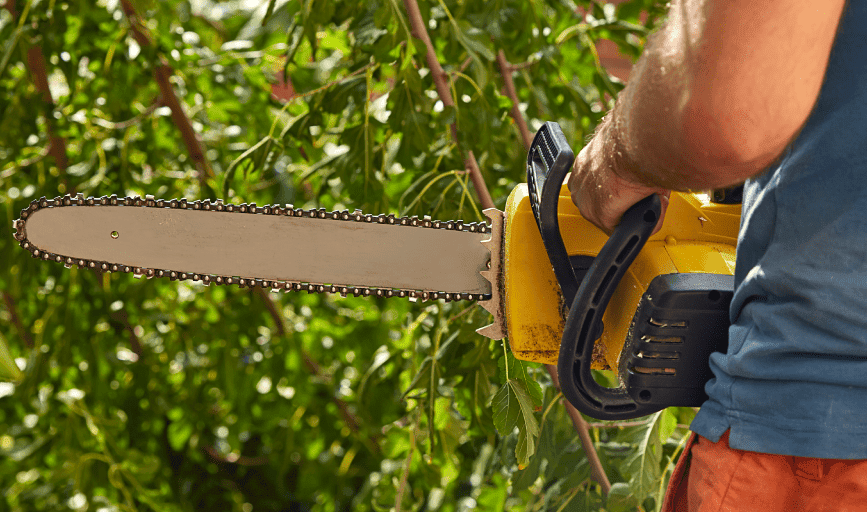
If you have trees on your property in Mobile, keeping up with tree trimming is one of the most practical things you can do. Overgrown branches can hang over roofs, crowd power lines, or block light from reaching your lawn and garden. In neighborhoods like Spring Hill or the Oakleigh Garden District, where mature trees are common, keeping that growth in check helps protect your home and keeps your yard looking clean and cared for.
We work with homeowners across Mobile to handle branch removal before small problems turn into bigger ones. After a Gulf Coast storm rolls through, untrimmed trees are far more likely to lose large limbs or come down entirely. Regular trimming reduces that risk and helps you stay ahead of hurricane season instead of reacting to it.
How Proper Pruning Supports Healthier Tree Growth
Tree pruning is more than cutting back what looks too long. When we prune a tree, we follow ANSI A300 standards to make the right cuts in the right places. That matters because bad cuts can stress a tree, create openings for disease, or cause weak regrowth over time. Proper pruning also opens up the canopy, which improves airflow and lets more sunlight reach the ground below.
Mobile's Coastal Plain soils and humid climate create good growing conditions, but they also mean trees can develop structural problems if they are not maintained. Tree care done correctly now supports the long-term health and balance of your trees. It also makes it easier for us to spot early signs of disease or decay during the process.
Once we assess the condition of your trees during trimming or pruning, we sometimes find that a tree has gone beyond what maintenance can fix. That is where tree removal becomes the right next step.
Tree Removal
When a tree needs to come down
Some trees reach a point where trimming or pruning is no longer enough. A tree may be dead, heavily diseased, leaning toward your house, or damaged beyond recovery after a storm. In those cases, tree removal is the safest path forward for your property and your family. We see this often across Mobile neighborhoods like Spring Hill, Semmes, and Theodore, where older trees and Gulf Coast storms can push even well-established trees past the point of no return.
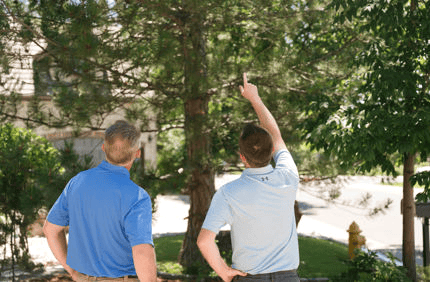
Before we ever start cutting, we walk the property with you and look at the full picture. That means checking the tree's structure, its proximity to your home, fence, or driveway, and whether the root system may be affecting your foundation or utilities. In some cases, a proper tree inspection turns up signs of decay or pest damage that were not obvious from the ground. We follow ANSI A300 standards when assessing trees, which gives you a consistent and reliable evaluation rather than a rushed opinion.
How we safely remove trees near homes, fences, and driveways
Removing a tree in a tight space takes planning. When a tree is close to a structure, we use controlled rigging techniques to bring limbs and sections down in a way that protects what is around them. Depending on the size and location of the tree, we may bring in a bucket truck or aerial lift to work from above. For larger or more complex jobs, a crane may be necessary to move heavy sections safely. Our team has over 20 years of combined experience with this kind of work, and we have spent more than 10 years handling jobs specifically here in Mobile, AL.
Mobile's Coastal Plain soils and areas with hydric or compacted urban soils can affect how a tree's root system behaves during removal. We account for that when planning the job so we do not end up causing damage to driveways, walkways, or nearby plantings. After the tree is down and all debris is cleared, what you are often left with is a stump sitting at ground level. That leads us to the next step most homeowners ask about.
A few years back, we got a call from a homeowner over in the Midtown neighborhood of Mobile. She wanted us to remove a large water oak that had been growing in her backyard for decades. On the surface, it looked like a straightforward job. We have seen plenty of big oaks in our years working around Mobile, so we felt good going in.
When we got there and took a closer look, we realized the tree was a lot closer to her house than it appeared in the photos she sent us. The trunk was leaning slightly toward the roof, and the root system had grown underneath a section of her concrete patio. On top of that, there were power lines running along the back of the property that added another layer of risk to the whole situation.
We had to slow down and think this one through carefully. Rather than just cutting from the top and letting sections fall, we rigged each large limb and lowered them down by hand using ropes and a pulley system. It took us most of the day just to work through the canopy before we ever touched the main trunk. We also had to work with the local utility company to make sure we stayed clear of those lines the entire time.
In the end, we got the tree down safely without a single scratch to her roof or patio. Jobs like that one remind us why experience matters so much in this work. When you have a tricky tree situation at your Mobile home, we take the time to plan it out the right way before we ever pick up a chainsaw.
Stump Grinding and Removal
Why Leftover Stumps Are a Problem
Once a tree comes down, the stump left behind is more than just an eyesore. On residential properties across Mobile, from Spring Hill to Theodore, old stumps can become tripping hazards for kids, guests, and pets. They also attract insects like termites and beetles, which can eventually find their way toward your home. Diseased stumps can spread fungal problems to nearby healthy trees, which matters a lot when you consider how much the humid Gulf Coast climate already puts stress on tree health. On top of that, roots from an old stump can keep growing underground, pushing up against driveways, sidewalks, fences, or even a home's foundation. Leaving a stump in place often creates more work and expense down the road.
What Stump Grinding Looks Like on a Residential Property
We use a stump grinder to grind the stump down several inches below the soil surface. The machine works through the wood in passes, reducing it to wood chips and fine debris. We typically use that material as fill or remove it depending on what you prefer for your yard. The resulting ground-level surface can be covered with soil and seeded or sodded over, which makes the area usable again for lawn care, garden beds, or general landscape cleanup. For properties with tighter access, like those in older neighborhoods such as the Oakleigh Garden District or Midtown Mobile, we can bring in equipment suited to smaller spaces without tearing up the surrounding lawn. After grinding, we clean up the site so the area blends back into your yard naturally. If you have multiple stumps or a full tree removal project wrapping up, we handle the grinding as part of the same visit when possible to keep things efficient for you.
With stumps handled and your yard cleaned up, the next thing many homeowners in Mobile ask us about is what to do when a tree situation becomes urgent. Storm season on the Gulf Coast does not wait, and neither should a hazardous tree.
Emergency Tree Services
Storm Damage and Fallen Trees in Mobile
Mobile sits along the Gulf Coast, which means we deal with serious storms on a regular basis. Hurricanes, tropical storms, and strong thunderstorms can leave trees split, uprooted, or hanging dangerously over roofs, fences, and driveways. When that happens, waiting is not always an option. We offer emergency tree service for homeowners across Mobile and the surrounding areas, including Spring Hill, Semmes, Theodore, and Tillmans Corner.
Our team has worked through storm seasons here for over 10 years, so we understand what Gulf Coast weather does to trees. The Coastal Plain soils common throughout Mobile County can become saturated quickly during heavy rain, which weakens root systems and makes even healthy-looking trees unstable. After a storm, a tree that appears to be standing fine may actually be a serious hazard.
How We Respond to Urgent Tree Situations
When you call us after storm damage, we move quickly and carefully. We use equipment like a bucket truck and rigging systems to safely manage heavy limbs or leaning trees near your home. Every situation is different, and we assess each one before we start cutting. Safe branch removal and controlled tree removal in tight spaces take planning, especially when a tree is near power lines or a structure.
We also handle full landscape cleanup after the work is done, including debris hauling so your yard is clear when we leave. Once the immediate danger is handled, it is worth taking a closer look at the rest of your trees to understand what is still at risk. That leads directly into what a proper tree health and hazard assessment can tell you.
Tree Health and Hazard Assessments
Keeping up with tree health is one of the most important parts of owning property in Mobile. The Gulf Coast climate, combined with soils like the Coastal Plain sandy loam and compacted urban soils common in areas like Spring Hill and Midtown Mobile, puts a lot of stress on trees over time. We look at each tree as part of a bigger picture, not just a single trunk in a yard.
Signs Your Tree May Be Diseased or Structurally Unsound
Some warning signs are easy to spot. Dead or hanging branches, bark that is cracking or peeling in unusual ways, and large areas of missing bark can all point to decay or disease. Fungal growth near the base of a tree is often a sign of internal rot. Leaning trees, especially after a storm, need to be looked at closely. Roots that have lifted the soil or are growing into a foundation or driveway can signal deeper structural problems. Discolored leaves outside of normal seasonal changes may point to a need for disease treatment before the problem spreads to nearby trees. If you have mature oaks, pines, or sweet gums near your home, fence, or vehicles, these are worth checking regularly.
What to Expect During a Tree Inspection
When we come out for a tree inspection, we walk the property and look at each tree from the ground up. We check the trunk, bark, branch structure, canopy, and visible root zone. For larger trees, we also look at the area around the base and note any signs of soil heaving or pest activity. We measure DBH at 4.5 feet breast height for trees that may need further evaluation or removal, and we follow ANSI A300 standards when documenting our findings. If a tree needs more than basic tree trimming or pruning, we will explain what we found and walk you through the options in plain terms. You will not get a confusing report with no explanation. Our goal is to give you a clear picture of what is going on with your trees so you can make an informed decision about next steps.
Whether a tree turns out to need minor care or a full removal, understanding its condition is always the right place to start. In the next section, we will bring everything together and help you take that first step toward a safer, healthier yard.
We Have Been Caring for Mobile Trees Over a Decade
We are a locally based tree service contractor serving Mobile, AL and the surrounding communities. Our crew has over 20 years of combined experience in tree care, and we have been working right here in the Mobile area for more than 10 years. That means we know the trees, the soil, the weather patterns, and the challenges that come with keeping trees healthy in coastal Alabama.
Mobile gets its share of tough weather. Between hurricane season, heavy rain, and the kind of heat and humidity that stresses trees year-round, tree care here is not the same as it is in other parts of the country. We have seen what Gulf storms can do to a mature oak or pine, and we know how fast a stressed tree can become a hazard to your home or property. That local experience matters when you are trusting someone to work around your house, your vehicles, and your family.
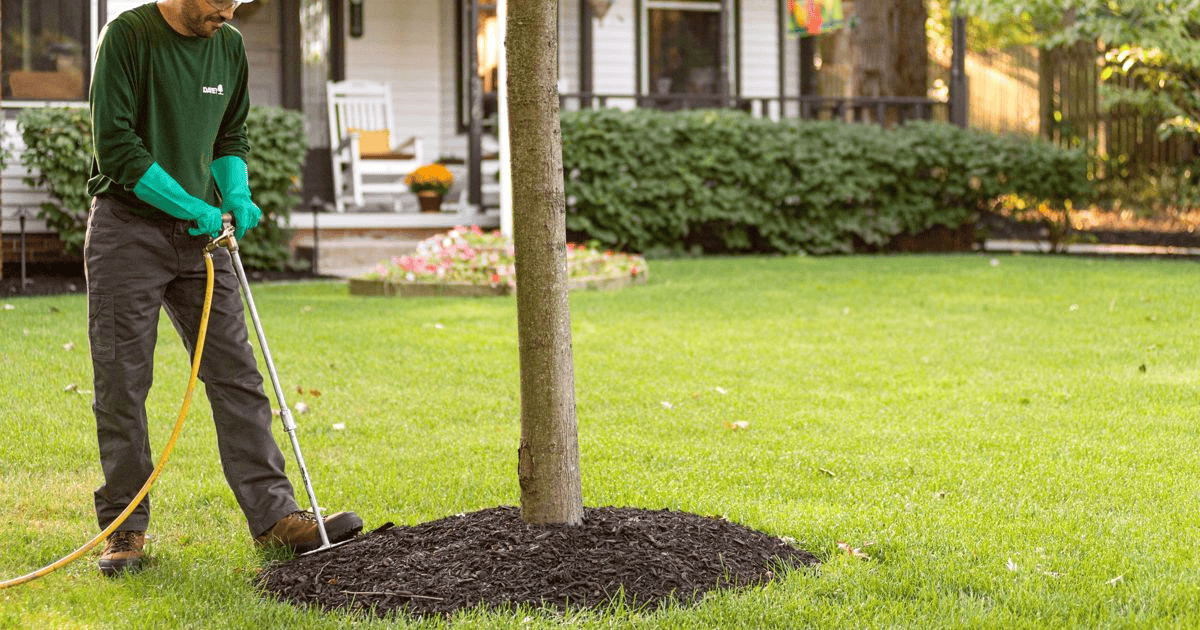
We handle a wide range of tree work, from routine trimming and pruning to full tree removal, stump grinding, land clearing, and emergency storm cleanup. We also offer tree health assessments, fertilization, cabling and bracing, root removal, and tree planting. Whether you have one tree that needs attention or a larger property that needs regular care, we have the equipment and the hands-on experience to get the work done properly.
When you bring us out to your property, we take the time to look at what is actually going on with your trees before we start cutting. A lot of tree problems can be caught early when someone knows what to look for. We would rather help you protect a valuable tree than remove one that could have been saved with the right care at the right time.
Our goal is straightforward. We want to leave your property safer, cleaner, and in better shape than we found it. We take that responsibility seriously every time we show up for a job.
Getting an Estimate for Residential Tree Work in Mobile, AL
Once you know the condition of your trees, the next step is getting a plan in place. Whether your assessment turned up a hazard that needs immediate attention or you just want to stay ahead of routine tree maintenance, we are ready to help you move forward with a clear and honest estimate.
Hiring a professional for residential tree care in Mobile is one of the better decisions you can make as a homeowner. Here is what you get when you work with us:
- Over 10 years of experience serving Mobile, AL neighborhoods from Spring Hill to Semmes and Theodore
- Safe, controlled tree removal, tree trimming, and stump grinding using professional-grade equipment
- Proper pruning that follows ANSI A300 standards to protect your trees long term
- Help with storm-damaged trees and emergency tree service when Gulf Coast weather causes problems
- Honest assessments that tell you exactly what your trees need and why
- Full cleanup and debris removal when the job is done
- Licensed and insured work that protects you, your property, and your family
- Local knowledge of Mobile Bay clay soils, coastal weather patterns, and city guidelines
We take pride in straightforward, reliable work. No pressure, no shortcuts, and no surprises. When we give you a quote, we stand behind it.
To get your free estimate for residential tree services in Mobile, AL, give us a call or fill out the form below and we will get back to you promptly.
Mobile AL Tree Care
3100 Cottage Hill Road Building 5
Mobile, AL 36606
Business Hours
| Mon | 8:00 AM – 7:00 PM |
| Tue | 8:00 AM – 7:00 PM |
| Wed | 8:00 AM – 7:00 PM |
| Thu | 8:00 AM – 7:00 PM |
| Fri | 8:00 AM – 7:00 PM |
| Sat | 9:00 AM – 6:00 PM |