Invasive Species Management in Mobile
Invasive Species Management in Mobile, AL
Do we serve Mobile, AL and nearby areas?
We provide invasive species control and tree services throughout Mobile, AL and the surrounding communities. Whether you are in Spring Hill, Theodore, Tillmans Corner, Eight Mile, or along corridors like Cottage Hill Road or Halls Mill Road, we are available to assess and address invasive plant and tree problems on your property. We have been working in the Mobile area for over 10 years and can typically schedule a site visit quickly, depending on the season and current workload.
What invasive species problems look like on your property
Invasive species rarely announce themselves. What starts as a few unfamiliar vines or shrubs along a fence line can quietly take over a yard, tree line, or wooded lot within a couple of growing seasons. You might notice your trees looking stressed or losing ground to fast-growing vegetation crowding their canopy. You might see thick tangles of vines pulling branches down, or dense thickets of shrubs replacing what used to be open space. In some cases, property owners do not realize the extent of the problem until native trees are already weakened or dying. Early detection makes a real difference, and getting a professional assessment sooner rather than later is almost always the more cost-effective path. Non-native species removal Alabama property owners need goes well beyond simple cutting. Without addressing root systems and timing treatments correctly, most invasive plants grow back faster than before.
Why Mobile, AL properties are especially vulnerable to invasive species
Mobile sits in the Gulf Coastal Plain, and the warm, humid climate here creates nearly perfect conditions for invasive plants to establish and spread. The region's high rainfall, mild winters, and rich soils along riparian corridors like Dog River, Three Mile Creek, and the Mobile Bay watershed allow non-native species to outpace native vegetation in ways that do not happen in cooler or drier climates. Properties near bottomland hardwood areas or tidal wetlands face added pressure from aquatic invasive plants and moisture-loving species that thrive in hydric soils. Neighborhoods like Oakleigh Garden District and Midtown Mobile, where older trees and established landscaping are common, often see invasive species moving in from adjacent lots or disturbed ground. We have spent years working across Mobile County and we understand how local soil types, drainage patterns, and land use history all affect how invasive species behave here.
Common questions Mobile homeowners ask about invasive species management
One of the first things people want to know is whether they can handle it themselves. In some limited cases with very early-stage growth, that may be possible. But for most established infestations, invasive species control requires proper identification, the right treatment methods, and follow-through at the right time of year. Using the wrong approach, like cutting without treating, can actually trigger more aggressive regrowth. People also ask about cost and whether one treatment is enough. The honest answer is that most infestations need a re-treatment interval of 6 to 12 months, and a single visit rarely eliminates the problem entirely. We work within Alabama Forestry Commission Best Management Practices and follow EPA Label Compliance Standards to make sure treatments are done safely and effectively. Knowing what species you are dealing with is the first step, which is why we always begin with a thorough on-site evaluation before recommending any course of action. That brings us to the most important starting point: understanding which specific invasive plants and trees are most common on Mobile properties.
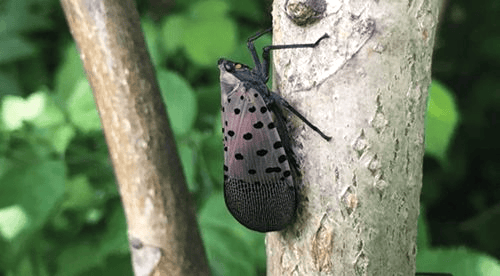
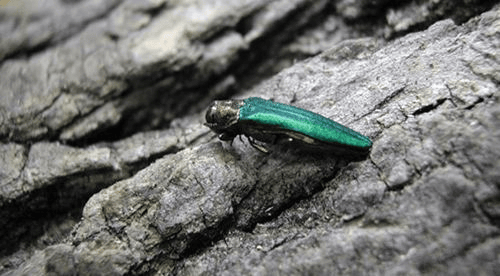
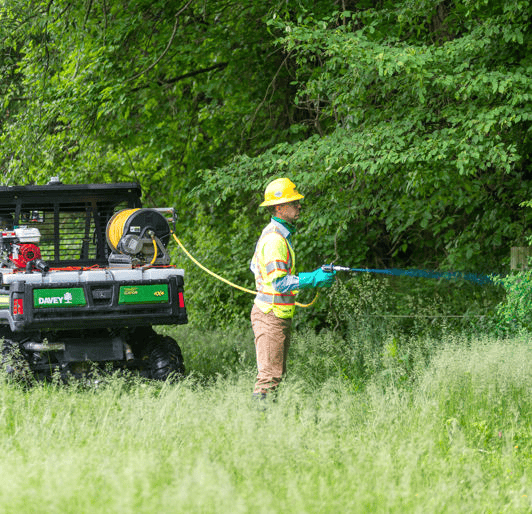
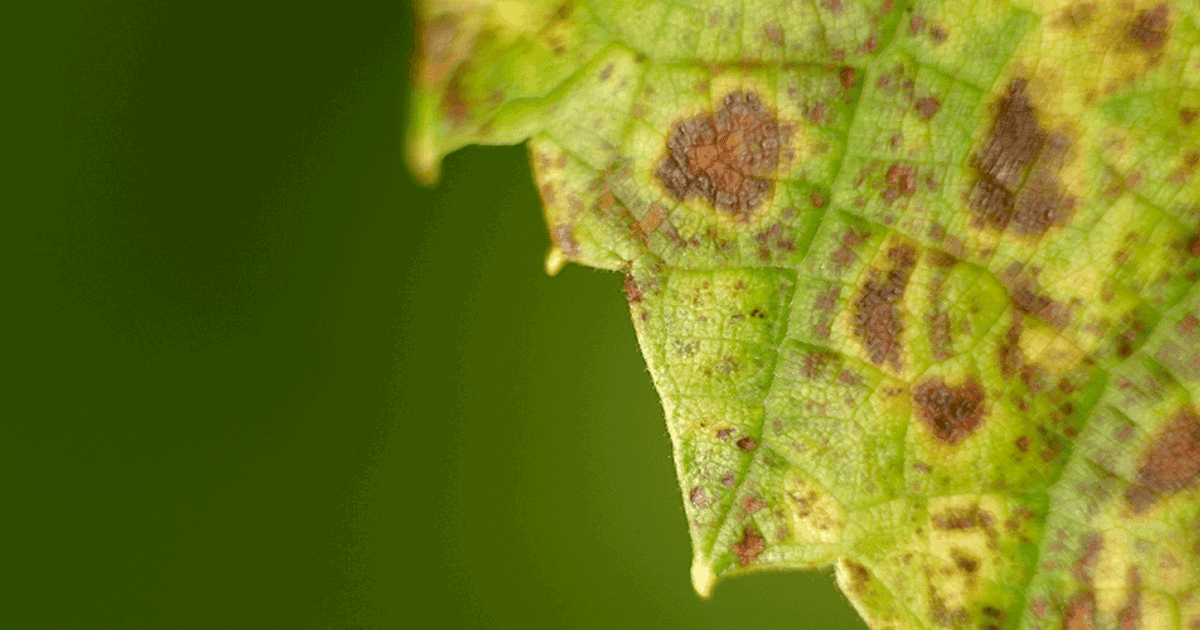
Common Invasive Plants and Trees Found in Mobile, AL
Mobile sits in the Gulf Coastal Plain, where warm temperatures, high humidity, and wet soils create ideal conditions for invasive plants to take hold fast. We see the same species show up repeatedly on properties across the area, from Spring Hill to Theodore, and along riparian corridors near Dog River and Three Mile Creek. Knowing what you are dealing with is the first step in any solid invasive species control plan.
Kudzu, Privet, and Chinese Tallow Tree
Kudzu is one of the most recognizable invasive plants in the South. It spreads quickly over trees, fences, and structures, blocking sunlight and eventually killing the plants it covers. Privet, both Chinese and Japanese varieties, shows up in wooded edges and understory areas throughout Mobile County. It spreads through bird-dropped seeds and crowds out native vegetation in shaded, moist areas. Chinese tallow tree is another serious concern here. It thrives in bottomland hardwood areas and along creek banks, and it replaces native trees at a rate that makes early detection rapid response especially important. All three of these species appear on the Alabama Noxious Weed List and require targeted treatment to prevent regrowth from the root system.
Cogongrass, Mimosa, and Wisteria
Cogongrass spreads aggressively across disturbed soils, roadsides, and open lots, and it is extremely difficult to eliminate without the right approach. We frequently find it along corridors near Airport Boulevard and in vacant lots throughout Eight Mile and Tillmans Corner. Mimosa trees are common in yards and woodland edges and reseed heavily each season. Wisteria, while attractive to some homeowners, can wrap tightly around tree trunks and limbs, placing significant stress on otherwise healthy trees over time. These species may look manageable at first, but without proper non-native species management, they tend to return season after season and spread further into your property.
Understanding which plants are present on your property matters more than most people realize, because each one behaves differently and causes different types of damage to your trees, soil, and surrounding landscape.
How Invasive Species Damage Your Trees and Property
If you have noticed unfamiliar vines climbing your trees, dense thickets taking over the edges of your yard, or native trees slowly declining without an obvious reason, invasive species may be the cause. In Mobile, AL, the warm, humid climate along the Gulf Coastal Plain creates ideal conditions for non-native plants to spread quickly and do real damage. Invasive species control is not just about appearances. It is about protecting the long-term health of your trees and the usability of your property.
How Invasive Plants Crowd Out Native Trees
Invasive plants compete aggressively for sunlight, water, and nutrients. Species like Chinese privet, kudzu, and cogongrass spread fast and take over ground that native trees and shrubs depend on. In shaded or low-lying areas near places like Dog River or Three Mile Creek, you will often see invasive growth move in quickly after any soil disturbance. Once established, these plants can cover root zones, block light from reaching seedlings, and physically weigh down tree canopies. Over time, this weakens even mature, healthy trees. Native biodiversity protection starts at the ground level, and losing that balance makes the whole landscape more fragile.
The Connection Between Invasive Growth and Pest and Disease Spread
Dense invasive growth does more than crowd out your trees. It creates conditions where pests and diseases can take hold and spread. Thick, unmanaged vegetation holds moisture, limits airflow, and gives insects and fungal pathogens the sheltered environment they need to thrive. Integrated pest management professionals understand that controlling invasive plants is often one of the first steps in addressing broader tree health problems. When invasive growth is removed responsibly and treated according to Alabama Forestry Commission Best Management Practices, you reduce the pressure on your existing trees and lower the risk of secondary problems spreading across your property.
Understanding how invasive species work against your trees and land is the first step. Knowing how to address the problem in a way that lasts is where our process comes in.
A few years back, we got a call from a homeowner over in west Mobile who was dealing with a serious Chinese privet problem. If you've spent any time in Mobile, you know this invasive shrub can take over a yard fast. By the time we arrived, the privet had spread across nearly half an acre of the property, crowding out native plants and creeping toward the tree line along the back fence.
The challenge we ran into pretty quickly was the root system. Chinese privet sends out roots that run deep and wide, and when you cut the stems without treating the stumps right away, they come back even thicker than before. We started clearing the first section, and within a few days we could already see new sprouts pushing up from roots we thought we had handled. It felt like the more we cut, the more it fought back.
We had to change our approach. Instead of tackling the whole area at once, we worked in smaller sections and treated each cut stump with an herbicide approved for use near the wooded areas on the property. We also had to hand-pull seedlings that had spread into areas close to the homeowner's garden beds, which took a lot of careful, patient work. Mobile's warm and wet climate is basically a welcome mat for invasive plants like privet, so we knew doing this halfway was not an option.
After several weeks of follow-up visits, we got the spread under control. We then helped the homeowner replant the cleared areas with native shrubs to help prevent privet from moving back in. It was one of the more stubborn jobs we had faced in our years working in Mobile, but seeing that yard come back to life made the extra effort worth it.
Our Invasive Species Management Process
When you call us out to your property, we start by walking the site with you. We have over 10 years of experience working in Mobile, AL, and that matters when it comes to invasive species control. South Alabama's warm, humid climate and its proximity to areas like the Mobile-Tensaw Delta and Dog River corridor create ideal conditions for invasive plants to spread fast and take hold in spots you might not expect.
Property Assessment and Species Identification
Before we touch anything, we take time to correctly identify what we are dealing with. Getting this wrong can make the problem worse. Some plants on the Alabama Noxious Weed List look similar to native species, and treating the wrong plant with the wrong method can set back your property's recovery. We follow Alabama Forestry Commission Best Management Practices and work in line with USDA APHIS Regulatory Standards to make sure our approach fits the species, the site, and the conditions on your property. If you have trees near Three Mile Creek or a low-lying area with hydric soils, that changes how we plan the treatment and where we apply it.
Cutting, Grinding, and Removal Methods We Use
Once we have a clear picture of what is growing and where, we get to work using the right tools for the job. A Stihl brushcutter or Husqvarna clearing saw handles dense, woody growth along fence lines and wooded edges. For larger infestations, a forestry mulcher or skid steer like the Bobcat T650 lets us clear significant ground efficiently without tearing up the soil more than necessary. On cut stumps, we apply 100% cut stump coverage using products like Garlon 4 Ultra or Triclopyr to stop regrowth at the root. We also use stem injection tools for targeted treatment when we want to protect nearby desirable trees and plants.
All of this cutting and removal work connects directly to broader land clearing and brush removal efforts, which often go hand in hand with a complete invasive species control plan.
Land Clearing and Brush Removal as Part of Invasive Species Control
Sometimes managing invasive species on a Mobile, AL property means more than spot-treating individual plants. When an area has been overtaken by dense overgrowth, full clearing may be the most practical first step toward getting things under control.
When Full Lot or Wooded Area Clearing Is Needed
In areas like Theodore, Eight Mile, and along riparian corridors near Dog River or Chickasabogue Creek, invasive plants can spread quickly through bottomland hardwood and disturbed ground. Species like Chinese tallow, privet, and cogongrass can establish thick stands that crowd out everything else. When invasive species control starts too late, the density of growth can reach a point where selective hand-pulling or light pruning simply will not work.
For those situations, we bring in equipment like a forestry mulcher or Bobcat T650 to clear large areas efficiently. This approach works well for overgrown lots, wooded acreage, and properties near creek beds where years of unchecked growth have piled up. Clearing at this scale allows us to reset the area so that targeted non-native species management treatments can actually reach the root systems and soil where these plants keep coming back from.
How We Protect Desirable Trees During the Clearing Process
One concern we hear often is that clearing means losing everything on the property. That is not how we approach it. Before we bring any equipment onto your land, we walk the site with you to identify trees and plants worth keeping. Native oaks, longleaf pines, dogwoods, and established ornamentals can often be preserved even in areas with heavy invasive growth surrounding them.
We use a combination of hand tools and equipment like the Stihl brushcutter to work carefully around desirable trees. Where chemical treatment is needed after mechanical clearing, we follow Alabama Forestry Commission Best Management Practices and stay within safe application buffers to avoid damaging healthy root zones. For cut stumps, we apply treatments like Garlon 4 Ultra or Triclopyr at 100% cut stump coverage to stop regrowth without affecting nearby trees.
Clearing your property is really just the starting point. Once the overgrowth is gone and your desirable trees are protected, the next step is making sure invasive species do not simply come right back.
Preventing Invasive Species from Coming Back
Removing invasive plants is an important first step, but keeping them from returning takes just as much attention. In Mobile's warm, humid climate, many invasive species can bounce back quickly if the work stops at the surface. We've seen this happen on properties across Spring Hill, Theodore, and along corridors near Three Mile Creek, where disturbed soil and dense shade create ideal conditions for regrowth.
Steps You Can Take After Removal to Stop Regrowth
After we complete invasive species control work on your property, there are practical steps that help hold the ground you've gained. First, avoid leaving soil bare for long. Exposed ground is an open invitation for invasive seeds to take hold. Covering treated areas with seed-free mulch or erosion control blankets slows that process while desirable plants get established.
Re-treatment is also part of any realistic plan. Depending on the species, a re-treatment interval of 6 to 12 months is often needed to catch regrowth before it spreads again. We follow pest monitoring practices aligned with Alabama Forestry Commission Best Management Practices, so you're not guessing about when to act.
Proper debris disposal matters too. Invasive plants can spread through improper hauling or dumping, so we follow responsible removal and containment steps that align with USDA APHIS Regulatory Standards and the Alabama Noxious Weed List.
How Native Plantings Support Long-Term Invasive Species Control
One of the most effective tools for native biodiversity protection is filling cleared areas with plants that naturally belong here. Native species like longleaf pine, wax myrtle, and native grasses are adapted to South Alabama's soils and rainfall. Once established, they compete well against invasive regrowth by occupying the same space, light, and water that invasives would otherwise use.
We often recommend restoration seed mixes and native plant plugs sourced locally as part of a follow-up planting plan. This approach supports ecological restoration goals while also improving your property's long-term appearance and usability. Properties near areas like Langan Park or the Mobile Botanical Gardens show how well-chosen native plantings can stabilize a landscape and reduce ongoing maintenance needs.
Keeping invasives from coming back is easier and less costly when the right plants are growing in their place. That's part of why professional management doesn't end with removal, and it's also why the benefits of hiring a qualified contractor extend well beyond a single visit.
Over 20 Years of Tree Care Experience in Mobile
We are a locally based tree service contractor serving Mobile, AL and the surrounding communities. Our crew has over 20 years of combined experience in tree care, and we have been working right here in the Mobile area for more than 10 years. That means we know the trees, the soil, the weather patterns, and the challenges that come with keeping trees healthy in coastal Alabama.
Mobile gets its share of tough weather. Between hurricane season, heavy rain, and the kind of heat and humidity that stresses trees year-round, tree care here is not the same as it is in other parts of the country. We have seen what Gulf storms can do to a mature oak or pine, and we know how fast a stressed tree can become a hazard to your home or property. That local experience matters when you are trusting someone to work around your house, your vehicles, and your family.
We handle a wide range of tree work, from routine trimming and pruning to full tree removal, stump grinding, land clearing, and emergency storm cleanup. We also offer tree health assessments, fertilization, cabling and bracing, root removal, and tree planting. Whether you have one tree that needs attention or a larger property that needs regular care, we have the equipment and the hands-on experience to get the work done properly.
When you bring us out to your property, we take the time to look at what is actually going on with your trees before we start cutting. A lot of tree problems can be caught early when someone knows what to look for. We would rather help you protect a valuable tree than remove one that could have been saved with the right care at the right time.
Our goal is straightforward. We want to leave your property safer, cleaner, and in better shape than we found it. We take that responsibility seriously every time we show up for a job.
Benefits of Professional Invasive Species Management for Your Property
Property Value, Safety, and Landscape Health
When invasive plants take hold on your property, they rarely stay in one spot. Species like Chinese privet, cogongrass, and kudzu spread quickly in Mobile's warm, humid climate, crowding out healthy trees and shrubs, weakening root systems, and turning manageable landscapes into dense, difficult terrain. Invasive species control done right addresses more than just what you can see above ground. We focus on the root systems and use methods like cut stump treatment and basal bark application to reduce regrowth over time, which lowers your long-term maintenance costs.
Unmanaged invasive growth can also create real safety concerns around your home. Dense brush hides trip hazards, encourages pests, and can stress or weaken trees near structures and fence lines. Neighborhoods like Spring Hill and Dog River Estates see this regularly, especially in low-lying areas with hydric soils that stay moist after rain. Clearing that growth improves visibility, access, and the overall usability of your yard. It also supports healthier growing conditions for the trees and ornamentals you actually want to keep, which helps protect your property value over time.
Proper identification matters more than most people realize. Using the wrong treatment, or cutting at the wrong time of year, can spread certain invasive plants further rather than controlling them. We follow Alabama Forestry Commission Best Management Practices and work in line with the Alabama Noxious Weed List to make sure the approach fits the species and the site.
Supporting Mobile's Local Ecosystem and Native Wildlife
Mobile sits within the Gulf Coastal Plain and drains into the Mobile Bay watershed, one of the most biodiverse regions in North America. Invasive plants that take over bottomland hardwood areas or riparian corridors along creeks like Three Mile Creek and Halls Mill Creek can cause lasting damage to native biodiversity. When we remove non-native species and follow up with native biodiversity protection practices, including restoration seed mixes and native plant plugs where appropriate, we give local wildlife a better chance to recover and thrive.
Early detection and a fast response matter a great deal here. The longer an invasive species goes untreated in Mobile's climate, the harder and more costly it becomes to manage. We use integrated pest management principles that combine mechanical removal, targeted herbicide application, and scheduled re-treatment intervals to stay ahead of regrowth. That kind of ongoing approach supports real ecological restoration rather than a one-time fix that leaves the problem to return.
Working with a contractor who understands the local landscape means you get a plan built around your specific property, not a general solution applied everywhere the same way. As we move into the conclusion, it helps to know that the right team, with the right knowledge and equipment, makes all the difference in whether your property stays healthy season after season.
Protecting Your Property Starts With the Right Team
Why Working With a Local Mobile, AL Tree Contractor Matters
As we covered in the previous section, professional invasive species management can make a real difference for your property. But who you hire matters just as much as the decision to hire someone at all. We have been working in Mobile, AL for over 10 years, and we understand how South Alabama's warm, humid climate creates the right conditions for invasive plants to take hold fast. Whether your property backs up to a riparian corridor near Dog River, sits along a bottomland hardwood area, or is a residential lot in Spring Hill or Theodore, we know how local conditions affect the way invasives grow and spread.
Our team follows Alabama Forestry Commission Best Management Practices and uses proven methods aligned with integrated pest management principles. That means we do not just cut back what is visible. We identify the species correctly, treat the root system, and build a plan to keep it from coming back. We also understand proper disposal and containment so we do not accidentally help invasives spread to neighboring properties or nearby green spaces like Langan Park or Chickasabogue Park.
How to Get Started With an Invasive Species Assessment
Getting started is straightforward. When you reach out, we will schedule a time to walk your property, identify any problem species, and talk through your options. From there, we put together a clear plan with honest pricing. Here is what you get when you work with us:
- Correct identification of invasive plants so the right treatment is used the first time
- Safe removal methods that protect your healthy trees, turf, and landscaping
- Responsible disposal that prevents regrowth and the spread of invasives to surrounding areas
- Treatment of root systems, not just surface growth, to reduce regrowth and long-term costs
- Timing and follow-up based on local Mobile, AL conditions and species behavior
- Native biodiversity protection so desirable trees and plants have room to thrive
- Improved access, safety, and appearance across your property
- A long-term management plan with follow-up options to keep invasives from returning
- Over 10 years of local experience and a team that stands behind the work we do
You do not have to figure this out on your own. If invasive plants are crowding out your trees, taking over a lot, or spreading into areas you want to reclaim, we are ready to help. Get your free quote today by giving us a call or completing the form below.
Mobile AL Tree Care
3100 Cottage Hill Road Building 5
Mobile, AL 36606
Business Hours
| Mon | 8:00 AM – 7:00 PM |
| Tue | 8:00 AM – 7:00 PM |
| Wed | 8:00 AM – 7:00 PM |
| Thu | 8:00 AM – 7:00 PM |
| Fri | 8:00 AM – 7:00 PM |
| Sat | 9:00 AM – 6:00 PM |